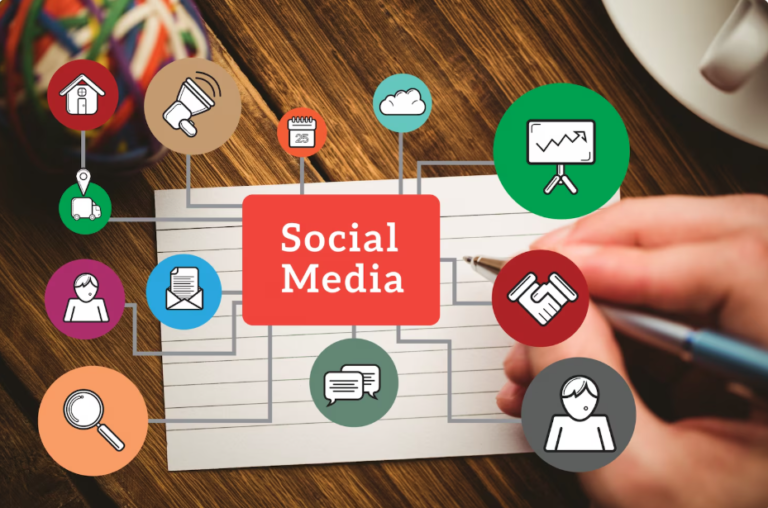
For any Denver Social Media Company, creating content that resonates locally is not just a nice-to-have. It is a competitive advantage. Denver audiences are shaped by the city’s culture, outdoor lifestyle, neighborhoods, and strong sense of community. Social media strategies that reflect these realities consistently outperform generic, one-size-fits-all campaigns. Below are seven in-depth content strategies designed specifically to connect with Denver-based audiences while supporting broader digital marketing goals.
Image source: pexels.com
1. Hyperlocal Storytelling Rooted in Denver Neighborhoods
Hyperlocal storytelling focuses on specific neighborhoods, districts, and communities rather than the city as a whole. Denver residents often identify strongly with areas like RiNo, LoDo, Capitol Hill, or Highlands, and content that reflects these micro-communities feels more personal and relevant.
To execute this strategy, start by mapping key neighborhoods where your target audience lives or spends time. Research local events, small businesses, and community initiatives in those areas. Build content themes around neighborhood spotlights, behind-the-scenes stories, and interviews with local figures. For example, a restaurant brand could feature short videos about sourcing ingredients from a Five Points vendor, while a fitness studio might highlight outdoor classes in Wash Park.
Consistency is key. Create a recurring content series so audiences know what to expect. Use geotags, location-based hashtags, and neighborhood-specific language to reinforce local relevance and improve discoverability.
2. Leveraging Denver’s Outdoor Lifestyle in Visual Content
Denver’s proximity to mountains, parks, and trails shapes how people live, work, and relax. Incorporating outdoor visuals into social content taps into an identity that many locals share, even when the brand itself is not directly tied to outdoor recreation.
Execution begins with planning visual assets that reflect authentic Denver settings. Schedule photoshoots or video captures at recognizable locations like Red Rocks, Sloan’s Lake, or urban trail systems. Ensure that visuals align naturally with your brand message rather than feeling forced. A B2B software company, for instance, might showcase team meetings on a patio or walking brainstorms near downtown trails.
Pair visuals with captions that connect lifestyle to value. Explain how flexibility, creativity, or innovation fits into a Denver way of working. Over time, this reinforces brand alignment with local culture without alienating broader audiences.
3. Community-Driven User-Generated Content Campaigns
User-generated content builds trust because it highlights real people instead of polished brand messaging. In Denver, community pride runs strong, making this strategy especially effective when done thoughtfully.
To implement, create a clear campaign prompt that encourages participation. This could involve sharing favorite local spots, tagging the brand at events, or posting photos that reflect a specific theme like “My Denver Morning.” Establish simple guidelines and offer incentives such as feature opportunities or small rewards.
Once content is submitted, curate and repurpose it across platforms with proper credit. Add thoughtful commentary explaining why each submission matters. For example, a local retailer could showcase customers wearing products at weekend markets, reinforcing both authenticity and community connection.
4. Local Event and Seasonal Content Planning
Denver’s calendar is filled with seasonal shifts and events that influence behavior, from snow season to summer festivals. Content that aligns with these rhythms feels timely and useful.
Start by building a local content calendar that includes major events, weather changes, and seasonal activities. Plan content clusters around these moments rather than isolated posts. For instance, a spring campaign could include pre-event teasers, live coverage, and post-event recaps tied to local festivals or outdoor openings.
Execution requires flexibility. Monitor real-time conditions like weather changes and adjust messaging accordingly. This responsiveness signals relevance and awareness, qualities audiences expect from brands operating in their city.
5. Educational Content Addressing Local Pain Points
Educational content performs best when it solves problems audiences actually face. In Denver, challenges such as traffic patterns, housing trends, or seasonal business fluctuations can shape buying decisions.
To execute this strategy, identify common local questions through social listening, comments, and customer inquiries. Develop content that explains solutions clearly and practically. A digital marketing agency might publish short videos explaining how local businesses can prepare campaigns for tourist influxes or winter slowdowns.
Structure educational posts with a clear problem, step-by-step guidance, and a local example. This approach positions the brand as a helpful authority rather than a distant expert.
6. Collaborations with Local Creators and Businesses
Partnering with Denver-based creators and brands expands reach while reinforcing authenticity. These collaborations work best when values and audiences align naturally.
According to Thrive Internet Marketing Agency, begin by identifying creators who consistently engage Denver audiences, not just those with large followings. Reach out with a clear collaboration concept and defined goals. Content could include joint live sessions, co-created posts, or behind-the-scenes features.
Execution should emphasize mutual benefit. Highlight both brands equally and focus on shared stories rather than overt promotion. For example, a coworking space might collaborate with a local coffee roaster to showcase productivity routines rooted in Denver culture.
7. Data-Informed Localization and Continuous Optimization
Creative content is most effective when supported by data. Localization should be measured, tested, and refined continuously.
Start by segmenting analytics by location to understand which posts resonate most with Denver audiences. Track engagement patterns, content formats, and posting times specific to local behavior. Use insights to adjust tone, visuals, and topics.
Optimization involves iteration. Test small changes such as neighborhood-specific captions or local references and compare performance. Over time, this process builds a content framework that balances creativity with measurable results.
By implementing these seven strategies thoughtfully, brands can move beyond generic social media tactics and create content that genuinely connects with Denver audiences. A locally informed approach builds trust, drives engagement, and strengthens long-term brand presence in a competitive digital landscape.