If you’ve ever received a package that looked like it survived a wrestling match with a chainsaw, you know the sinking feeling of damaged goods. The dented boxes, the shattered ceramics, the crushed electronics—it’s a headache no business needs. That’s where the air cushion wrap machine steps in, quietly transforming how companies pack and protect their products. These machines aren’t just industrial gadgets, they’re the unsung heroes of the shipping world, turning plain old air into sturdy, reliable cushions that cradle your items from warehouse to doorstep. And the best part? They do it without breaking the bank. Let’s dive into why these machines are becoming the go-to solution for cost-effective packaging, and how they’re changing the game for small shops and big distributors alike.
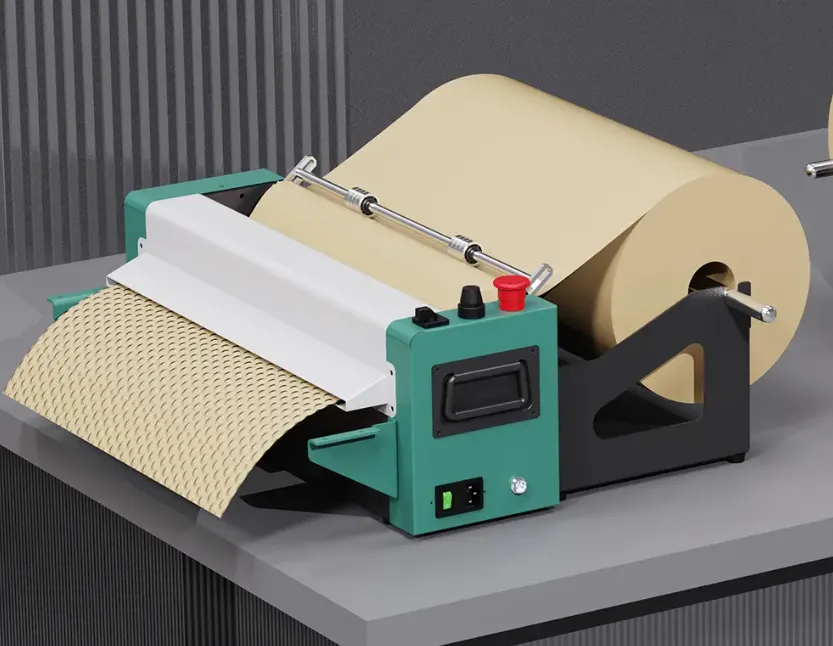
The magic of an air cushion wrap machine lies in its simplicity. Imagine a device that takes standard plastic film and inflates it on demand, creating pillows of air that you can use exactly where you need them. No more wrestling with bulky foam or messy packing peanuts that end up stuck to your socks. Instead, you get clean, lightweight protection that can be tailored to fit any shape or size. Think of it as a bubble wrap factory that fits on your countertop—except it’s smarter, faster, and far more wallet-friendly. For a website editor like me, who’s always on the lookout for practical solutions, this is the kind of innovation that makes you nod appreciatively. It’s not flashy, but it works like a charm.
Why does an air cushion wrap machine deliver such impressive cost savings? For starters, let’s talk about material waste. Traditional bubble wrap comes in rolls that are pre-made, meaning you often end up cutting off extra pieces that go straight into the trash. With an air cushion wrap machine, you create the cushioning as you pack. You decide the size of each cushion—long, short, thin, thick—so there’s virtually no leftover material. That’s less plastic ending up in landfills and more money staying in your pocket. Plus, the film rolls used for these machines are incredibly compact. A single roll can replace dozens of bulky bubble wrap rolls, slashing storage space and reducing shipping costs for raw materials. I’ve spoken to small business owners who switched to an air cushion wrap machine and saw their packaging supply bills drop by 30 to 50 percent within months. That’s not just saving pennies, that’s serious cash flow improvement.
But the savings don’t stop at materials. The air cushion wrap machine also cuts labor time dramatically. Imagine you’re packing a delicate vase. With pre-made bubble wrap, you’d have to measure, cut, fold, tape, and sometimes double‑layer the wrap to get it right. It’s tedious and slow. With an air cushion wrap machine, you load a roll of film, hit a button, and in seconds you have a custom‑length cushion. You place it around the vase, seal the package, and move on. Workers love the simplicity because it reduces repetitive motion and speeds up their day. For companies that ship dozens or hundreds of orders daily, those seconds add up to hours. In one warehouse I visited, they trained a new employee on the air cushion wrap machine in under five minutes. Within a week, that employee was packing twice as many orders as before. That kind of productivity boost means you can handle higher volume without hiring extra staff—a direct hit to your bottom line in a good way.
Let’s also consider the environmental angle. Bubble wrap made from virgin plastic has a heavy carbon footprint. But air cushion wrap machines often use recycled or recyclable film, and because you’re filling them with air, the finished cushions take up far less space in shipping containers. Fewer trucks on the road means fewer emissions. And when your customers receive a package, they can easily pop the air cushions and recycle the film. I’ve noticed more e‑commerce brands proudly advertising their switch to air‑filled packaging as a green move. It’s a subtle way to build trust with eco‑conscious buyers. So not only does the air cushion wrap machine save you cash, it also helps you tell a story of sustainability—something that resonates with today’s shoppers.
Now, you might wonder: is an air cushion wrap machine only for big corporations with massive shipping departments? Not at all. I’ve seen craft sellers on Etsy use them to ship handmade pottery. I’ve seen a boutique chocolate shop use one to protect fragile treats in hot weather. The machines come in various sizes, from desktop models perfect for a home office to industrial floor units for high‑volume operations. The upfront investment can be modest, often paying for itself within a few months of use. And because the machine is so reliable—many run for years with minimal maintenance—your per‑package cost keeps dropping over time. For a website editor curating tools for small businesses, I always recommend starting with a basic air cushion wrap machine to test the waters. The ROI is hard to beat.
Another key benefit is the versatility of the cushions themselves. An air cushion wrap machine doesn’t just produce one kind of bubble. You can adjust the height, width, and air pressure to create cushions that range from soft pillows for lightweight items to rigid shock absorbers for heavy electronics. Some machines even allow you to produce continuous lengths of cushioning, like a blanket, or individual pillows that you can tear off as needed. This flexibility means you don’t need to stock multiple types of packaging material. One machine, one film roll, and you’re covered for everything from glassware to books to automotive parts. I remember a friend who runs a record store online. He uses his air cushion wrap machine to ship vinyl LPs. The cushions fit snugly inside the mailers, preventing the records from warping during transit. He’s had zero damage complaints since he switched. That’s quality.
Let’s talk about the customer experience, too. We’ve all opened a package and been annoyed by the mess of foam peanuts that cling to everything. Air cushions are different. They’re clean, lightweight, and easy to dispose of. Some customers actually repurpose them—using them as packing material for their own shipments or even as cushioning for camping gear. It’s a small thing, but it leaves a positive impression. And because the air cushion wrap machine creates uniform, professional‑looking pads, your packaging looks polished and deliberate. That matters for brand perception. When a customer sees carefully placed air cushions, they know you care about their purchase. It builds loyalty, and loyal customers tend to order more and recommend you to others. So the machine isn’t just a cost‑saver, it’s a silent brand ambassador.
But I should address a common myth: that air cushions are less protective than traditional bubble wrap. In reality, air cushion wrap machines can produce cushions with remarkably consistent air retention. Unlike hand‑packed bubble wrap where air can shift, these machine‑made cushions are sealed to hold their shape. They distribute impact forces evenly across the cushion, which is exactly what you want for fragile items. Tests have shown that air cushions often outperform standard bubble wrap in drop tests because the air pressure can be tuned to the specific item. So you’re not sacrificing protection for savings—you’re actually getting both. It’s a rare win‑win in the packaging world.
From a logistical standpoint, an air cushion wrap machine also simplifies inventory management. Instead of chasing down different sizes of bubble wrap and worrying about running out, you just stock one type of film. That film comes in rolls that are easy to store—often in a small cabinet or under a desk. And because the machine produces cushioning on demand, you’ll never have a pile of unused material clutter your workspace. This mental clarity helps packers stay organized and focused. I’ve seen warehouses that used to have entire walls dedicated to bulky packaging supplies. After switching to an air cushion wrap machine, they reclaimed that space for more productive uses, like extra packing stations or even a break area. It’s amazing how much space air saves.
Let’s get a little technical, but not too much. The typical air cushion wrap machine uses a heated seal to bond the film layers, creating pillows that hold air for weeks or months. The sealing mechanism is precise, so you rarely get leaks. Many models have adjustable speed settings, allowing you to produce hundreds of cushions per hour when needed. The machines are also designed with safety features—automatic shutoff when the film runs out, or when the unit overheats. They’re built to run continuously without breaking a sweat. For a small business owner who wears many hats, this reliability is gold. You don’t have to babysit the machine, you just load it and let it work while you focus on other tasks.
I want to circle back to the initial question: Is an air cushion wrap machine truly cost‑effective? Based on everything I’ve seen and heard from users, the answer is a resounding yes, but with a caveat. The savings are most dramatic for businesses that ship a moderate to high volume of items with varying sizes. If you only ship ten boxes a month, the upfront investment might not justify itself as quickly. But for anyone sending out even fifty packages a month, the numbers start to look very favorable. Plus, the intangible benefits—fewer damaged items, happier customers, less stress in the packing process—are harder to quantify but equally valuable. I’ve talked to warehouse managers who described switching to an air cushion wrap machine as a “game changer” because it reduced their peak‑season overtime by 40 percent. That’s money saved on payroll, too.
In today’s fast‑paced shipping environment, an air cushion wrap machine offers a blend of economy, efficiency, and environmental responsibility that few packaging solutions can match. It’s a tool that helps you sleep better at night knowing your products are safe, your budget is balanced, and your customer’s unboxing experience is a pleasant one. Whether you’re a one‑person operation or a logistics giant, this machine deserves a spot in your packing process. And as a website editor, I can’t recommend it enough for anyone looking to streamline operations without sacrificing quality. It’s one of those rare investments that pays for itself in more ways than one.