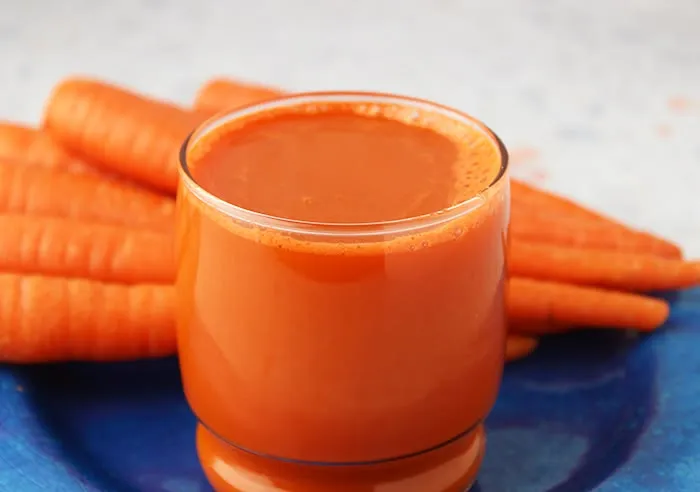
Naturally occurring pigment, beta carotene, can be used for yellow, golden, and orange colors in food formulations. It has a versatile use in a wide variety of food and beverage applications where manufacturers are looking to achieve a uniform warm color from a naturally sourced ingredient. But picking a specific beta carotene shade is not all that’s important when choosing to produce it. The final result can be affected by concentration, formulation, processing conditions, physical format and storage.
Understanding Beta Carotene Color
Beta carotene is a member of the carotenoid pigment family that is present in, and naturally occurring in, certain plants and vegetables. It can be used to color food, giving it a yellow to orange color with varying concentrations and application.
The quantity used and food matrix will affect the visual result. The strength of a concentrated ingredient may be significantly more than the strength of the color that is made when it is added to a finished product.
Therefore, it is desirable for manufacturers to test samples at realistic usage levels, instead of relying on the color strength of the ingredient itself.
Applications Across Food Products
Examples of foods that could use beta carotene food coloring include beverages, dairy products, bakery foods, sauces, desserts, confectionery and other processed foods.
Different formulation requirements may be required for each application. For a beverage, some form of dispersion in a liquid system is desirable, whereas for a dairy product, there is a need for compatibility with fat and other ingredients.
Other considerations are added when using a bakery or processed foods, since heating can change the end product appearance. Product devs should therefore test the ingredient in the real production environment.
Choosing the Right Concentration
One important factor to keep in mind is concentration when comparing BETA CAROTENE ingredients. The strength is dependent on the shade desired, the matrix of the food, the processing conditions and the dosage range.
A more concentrated product might be able to give the desired color at a lower dosage, but concentration should not be treated separately from dispersion and the compatibility of the product.
The manufacturer can determine several practical dosage levels and perform trials to determine which dosage causes the desired appearance without making more than necessary changes to the formulation.
Consider the Product Format
Beta carotene may be processed in a variety of forms for the variety of food systems. Different preparations of oil-dispersible, water-dispersible, emulsified and powdered may have different handling and application properties.
This should depend on the eventual formulation and how the color should react to it. A drink containing water may need to be prepared differently from a food which contains fat.
Before approving a particular format, manufacturers should review that the solubility or dispersion properties, recommended uses, storage instructions and processing guidelines are appropriate.
Processing and Stability Factors
Carotenoid-based colors can be affected by formulation conditions, light, oxygen and heat. The effect is dependent on the food matrix and processing environment.
Fabricators should take into consideration the temperature of processes during cooking, baking, pasteurization, or other processing operations. Appearance may also change with time depending on the storage conditions, especially if exposed to light or oxygen.
The significant phases of commercial production and storage should be included in application trials, therefore. This will help product developers develop a better understanding of the performance of the selected color after processing.
Combining With Other Ingredients
Coloring ingredient is rarely used in foods alone. Various ingredients such as acids, fats, proteins, minerals, flavors, preservatives, etc. affect the color’s appearance.
During formulation trials, the interaction of beta carotene and the food matrix should be considered. This is especially crucial if you need to alter an existing recipe or add a new color source.
The whole formulation can be tested for differences which may not be apparent by simple laboratory dilution.
Consider Sweet Potato Concentrate
Sweet Potato Concentrate can be used in the formulation of naturally colored food products, such as those with red, purple or related colors, as another plant-based source.
It should not be used as a substitute for all applications of beta carotene in the same application due to variation in pigment profile and shade. However, the manufacturers can compare the two based on the color target, food matrix, and processing conditions and the desired appearance of the product.
Always start with the application you have in mind when choosing from a variety of natural sources.
Conclusion
Beta carotene may be a natural-based coloring ingredient that can be used by manufacturers in the formulation of yellow and orange coloured food products; however, selection of the concentration and format of the ingredient is critical to the success of formulation. All processing conditions, food composition, stability, storage and dosage should be tested in practice. To find out more about the available options and to discuss their formulation needs with an appropriate technical partner, companies can check out FoodRGB.com.