Selecting drilling equipment requires more than comparing purchase quotations. The required drilling depth, borehole diameter, geological formation, drilling method, mobility, and supporting equipment can all influence the overall investment. A realistic assessment should consider both initial expenditure and the operating requirements associated with the selected configuration.
The water drilling machine price can therefore vary substantially between models with different capabilities. Equipment designed for deeper drilling, larger hole diameters, difficult formations, or combined drilling methods generally requires greater mechanical and hydraulic capacity, which can affect the final quotation and ownership cost.
What Determines Drilling Equipment Cost?
Drilling equipment pricing depends on its technical configuration and intended application. Depth capability, hole diameter, drilling method, prime mover, hydraulic capacity, and mounting arrangement can each influence the investment. Truck-mounted, trolley-mounted, skid-mounted, tractor-mounted, and portable configurations serve different operating requirements.
The drilling method is another major consideration. DTH systems are suited to hard-rock formations, while rotary drilling can be used for unconsolidated or alluvial conditions. Combination rigs provide greater flexibility where geological conditions can change across different drilling locations.
Key Factors to Evaluate Before Purchase
A machine should be assessed against the actual requirements of the drilling project rather than its advertised capacity alone. Important considerations include:
● Maximum required drilling depth and bore diameter
● Formation characteristics and expected ground conditions
● DTH, rotary, or DTH-cum-rotary capability
● Rig mobility and site accessibility
● Compressor, mud pump, and other supporting requirements
● Availability of compatible drilling tools and replacement components
These factors help establish whether a particular configuration can deliver the required performance without unnecessary capacity. A properly matched rig can also support more predictable operating expenses and simplify equipment planning.
Comparing Rig Configurations for Different Applications
Rig configuration should reflect the drilling environment, transportation requirements, and intended application. Truck-mounted models can support frequent movement between accessible locations, while skid-mounted and trolley-mounted designs can suit projects requiring alternative deployment arrangements. Portable and specialized configurations may provide added practicality where conventional vehicle access is limited, or project conditions demand greater flexibility.
Truck-Mounted Rigs
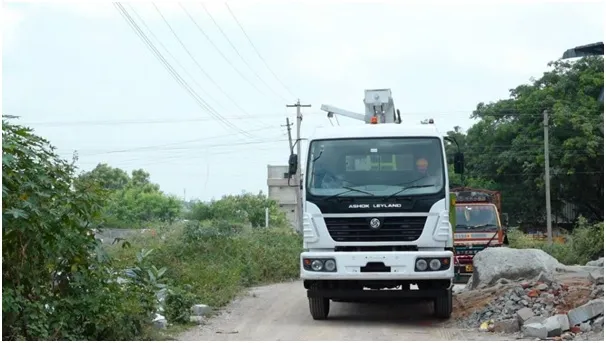
Truck-mounted configurations provide mobility for projects requiring movement between drilling locations. Their integrated transport arrangement can be practical for contractors handling multiple sites where road access is available, and rapid relocation is important.
Skid and Trolley-Mounted Rigs
Skid-mounted and trolley-mounted designs can provide useful alternatives where truck access is restricted, or specialized transportation arrangements are preferred. Their suitability depends on the site layout, supporting vehicle requirements, and drilling conditions.
DTH Cum Rotary Rigs
Combined DTH and rotary systems can address varying formations through different drilling approaches. For example, DTH drilling can address hard rock, while rotary methods can handle unconsolidated or alluvial formations using suitable flushing arrangements. This versatility can make combination equipment valuable for contractors working across diverse geological conditions.
Final Thoughts
What makes a drilling equipment investment genuinely worthwhile? The answer lies in matching machine capability with project demands rather than selecting equipment solely by its quoted figure. Prime Rigs manufactures and exports water well, rotary, core, earthing, mining, construction, and portable drilling rigs, with new and refurbished water well models available across different configurations. Its range also includes drilling accessories that support complete equipment requirements. For contractors comparing the best drill manufacturer, technical capability, product suitability, quality assurance, and long-term equipment support should remain central to the final decision.