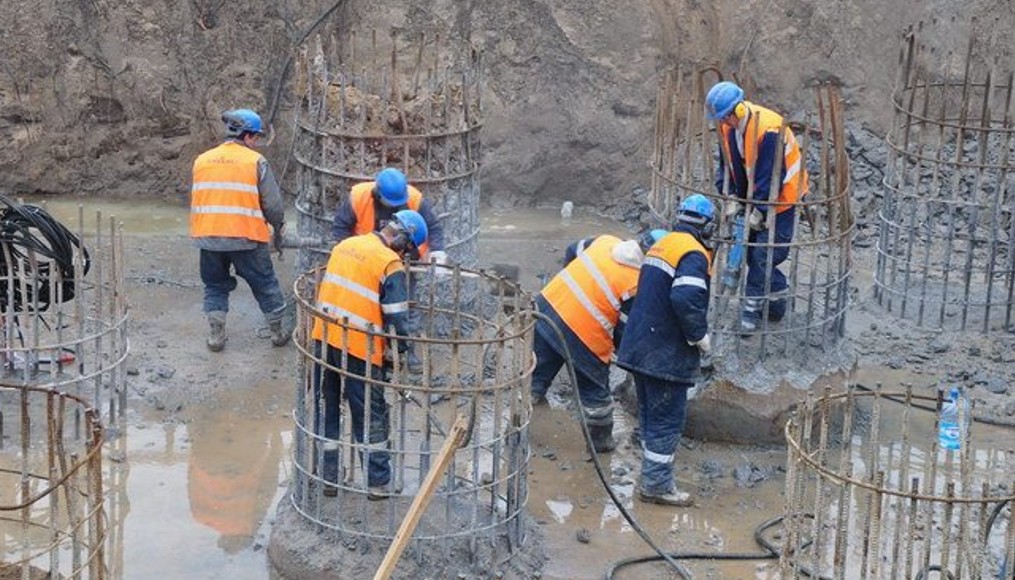
When crews start on a big foundation job, breaking piles efficiently is usually one of the most frustrating hurdles to clear. Most people still reach for old, heavy jackhammers, which is basically asking for a massive headache and a very slow work pace. It creates a lot of dust and noise, plus the risk of damaging the actual structural steel is way too high for modern building standards. Changing how we handle this part of the job makes every project safer and much smoother.
Avoiding common structural damage
The biggest issue with traditional methods for breaking piles is the uncontrolled vibration that travels through the concrete. This often causes tiny micro-cracks that you might not even see right away, but they become a real disaster later on down the line. Using a horizontal milling process instead allows you to cut through the material without sending dangerous shocks into the pile core. It is a smarter way to protect the integrity of the reinforcement bars while still clearing away all the excess concrete material.
Reducing harmful worker vibration
You really have to think about the people swinging those heavy tools all day long in the hot sun. Dealing with constant kickback while breaking piles leads to serious long-term health problems like vibration syndrome, which is honestly something we should be preventing by now. Switching to machinery that does the hard work for you takes the physical stress off the operators instantly. It is better for morale, and frankly, a crew that feels better physically is going to be much more productive overall.
Speeding up project timelines
Time is always the enemy when you are trying to finish a foundation before the next big rainstorm hits the site. If you are stuck breaking piles by hand, you are likely burning through your budget much faster than you planned originally. Mechanised attachments allow your excavator operators to process several columns every single hour without breaking a sweat. This speed gives your project manager way more flexibility when planning the concrete pouring schedule for the rest of the week or month ahead.
Managing site debris removal
Once you finish breaking piles, you are left with a massive mountain of concrete rubble that needs to get off the site immediately. Some teams just pile it up in a corner, but that takes up precious space that you really need for storing other building materials. If you have the right equipment, you can process this debris into smaller chunks for easier transport or even reuse it for temporary access roads. It keeps the area tidy and helps avoid constant truck traffic.
Planning for better logistics
Good logistics make or break a large construction site during the intense early stages of building deep foundations. If you fail to prepare for breaking piles before the trucks arrive, the whole operation just stops moving completely. You need to keep the area clear so that the machines can move freely between rows without getting stuck in the mud or hitting other infrastructure. Always double-check your site map to ensure that there is enough room for the excavator to manoeuvre safely and effectively today.
Conclusion
Foundation work requires a mix of heavy equipment and careful planning to get the best results for your structure. You can check out more technical tips for your at Brextor.com to see how modern tools change the game. Thinking ahead about your process will help you avoid the common pitfalls that slow down traditional building sites. If you have questions about specific pile sizes or need help setting up a more efficient workflow for your team, feel free to reach out to a professional consultant for some extra guidance today.