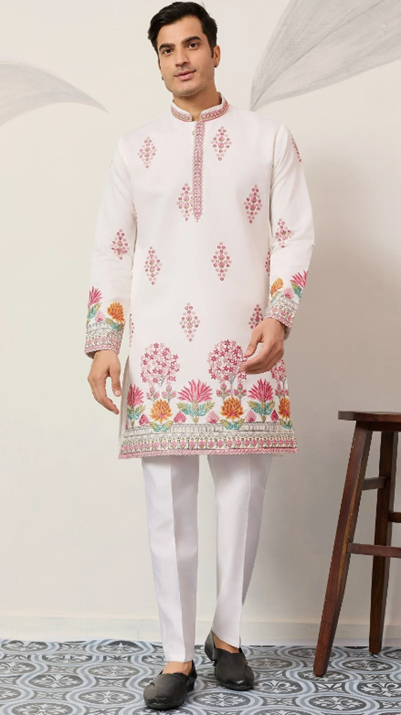
Men’s ethnic fashion has evolved considerably over the years. Traditional outfits that were once reserved mainly for weddings and religious ceremonies have now become an important part of festive dressing and celebration wear. Among the many timeless options available, the Kurta For Men continues to remain a wardrobe essential because of its versatility, comfort, and effortless elegance.
Whether worn during festivals, family gatherings, weddings, or cultural events, kurtas offer a polished traditional look without feeling overly formal. However, modern ethnic styling for men no longer stops at choosing the right kurta. Accessories and layering have started playing a bigger role in creating a more refined appearance.
One styling element that has gained popularity in recent years is the addition of a dupatta. Once mostly associated with royal or ceremonial dressing, it has now become a fashionable addition to festive menswear.
Why Men’s Ethnic Fashion Is Becoming More Experimental
Fashion trends are no longer limited to women’s ethnic wear. Men today are increasingly open to experimenting with silhouettes, layering pieces, and accessories to create more personalised festive looks. Traditional menswear has moved beyond simple kurta-pyjama combinations. Designers now introduce embroidered jackets, layered sets, asymmetrical cuts, and statement accessories that make ethnic outfits feel more fashionable.
This evolution has also encouraged men to embrace styling elements that add depth to traditional looks without appearing excessive. A well-styled ethnic outfit today often reflects personality just as much as occasion.
Why Kurtas Continue to Stay Timeless
The popularity of kurtas lies in their simplicity and adaptability. They can easily shift between casual festive dressing and grand wedding attire depending on fabric and styling.
Cotton and linen kurtas often work best for daytime celebrations or smaller gatherings because they feel lightweight and breathable. Silk blends and embroidered styles naturally suit weddings and festive evenings.
Colour also influences the overall mood of an outfit. Softer tones often create understated elegance, while jewel shades or darker colours feel more festive and luxurious. The biggest advantage of kurtas is that they can be styled repeatedly in different ways without feeling repetitive.
How a Dupatta Changes the Entire Look
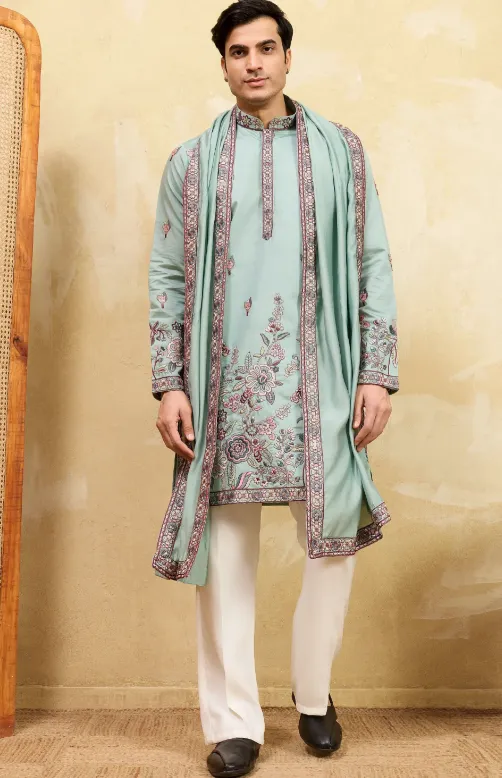
The growing popularity of the kurta with dupatta for men reflects how traditional styling is becoming more fashion-forward. Adding a dupatta instantly gives an outfit a more regal and polished appearance. Even a simple kurta can feel significantly more festive when layered thoughtfully. For weddings and engagement ceremonies, embroidered or silk dupattas often create a royal aesthetic. Lighter fabrics, meanwhile, work beautifully for festive occasions where styling needs to remain elegant yet comfortable.
The key lies in balance. A heavily embroidered kurta usually pairs better with a simpler dupatta, while minimal kurtas often benefit from richer layered detailing. When styled properly, a dupatta enhances the outfit without overpowering it.
Choosing the Right Fabric and Colour Combination
Fabric selection plays a major role in how polished an ethnic outfit appears. For daytime occasions, lightweight fabrics often feel more appropriate because they remain comfortable throughout long celebrations. Evening events, however, allow room for richer textures and heavier detailing.
Colour coordination also matters. Neutral kurtas paired with contrasting dupattas often create visually appealing looks. Monochrome styling, on the other hand, creates a more refined and sophisticated aesthetic. Traditional shades such as ivory, beige, maroon, navy, emerald green, and mustard continue to remain popular for festive menswear. Choosing combinations that suit the occasion helps create a balanced appearance.
Styling Tips for a More Refined Ethnic Look
Good styling often depends on small details. Footwear can significantly improve the overall outfit. Mojaris, juttis, or embroidered loafers often pair naturally with traditional menswear. Accessories should remain subtle. Watches, brooches, or pocket squares can add sophistication without overwhelming the outfit.
Fit matters equally. Even the most expensive outfit may not look polished if the tailoring feels incorrect. A well-fitted kurta naturally creates a sharper appearance. Layering should also feel effortless rather than forced. Dupattas should complement the kurta rather than dominate the look.
Best Occasions to Style Kurtas with Dupattas
This styling approach works especially well during grand celebrations. Wedding functions, engagement ceremonies, festive occasions, and traditional family gatherings naturally allow more elaborate ethnic dressing.
For intimate events, simpler styling often feels more appropriate, while grand occasions can handle heavier fabrics and richer detailing. Understanding the formality of the event usually helps in choosing the right styling level.
Conclusion
Men’s ethnic fashion continues to evolve, blending traditional elegance with contemporary styling preferences. While kurtas remain timeless wardrobe staples, layering and accessories have introduced fresh ways to style them for modern celebrations.
Adding a dupatta can instantly elevate festive dressing, creating an appearance that feels refined and occasion-ready. When balanced thoughtfully with the right fabrics, colours, and accessories, traditional menswear can feel both classic and fashionable.
For men looking to enhance their ethnic wardrobe, experimenting with layered styling offers an easy way to create a stronger style statement while preserving timeless elegance.