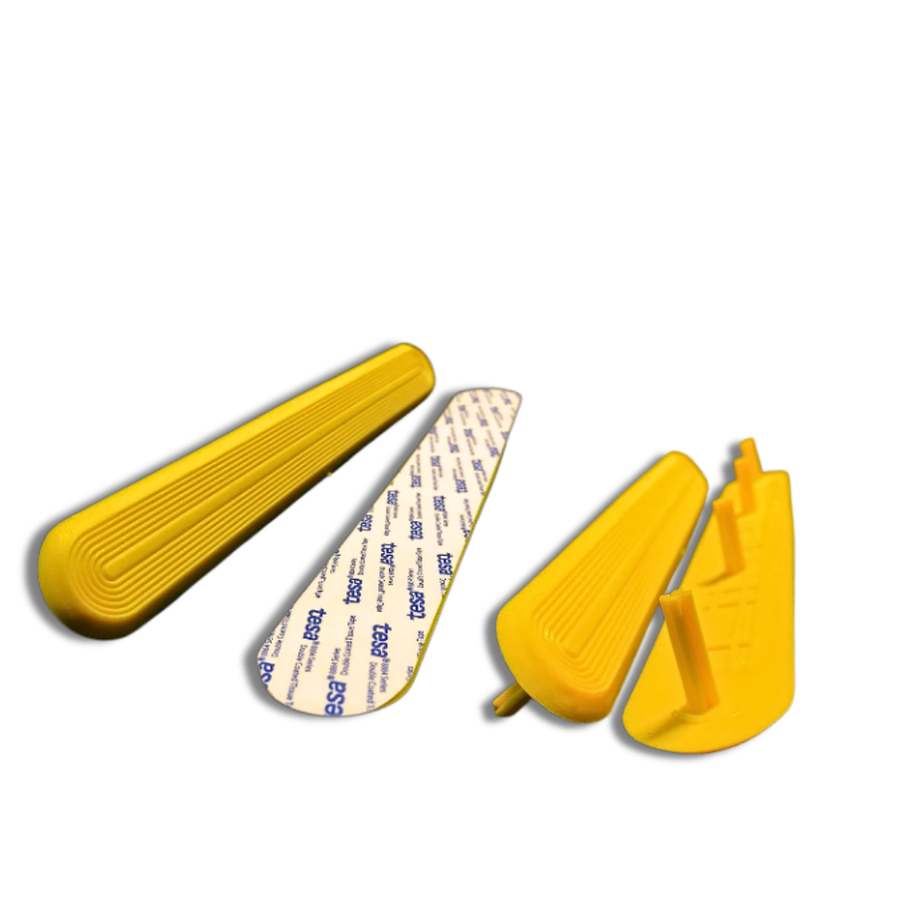
Tactile indicators are essential for creating safe and accessible environments, especially for people with visual impairments. They provide physical guidance and warning signals in public and private spaces. When selecting tactile indicators, one of the most common decisions is choosing between polyurethane (PU) and stainless-steel options.
Both materials have their own advantages, and the right choice depends on budget, performance needs, and environmental conditions. This guide compares PU and stainless-steel tactile indicators to help you make an informed decision.
Understanding PU Tactile Indicators
PU tactile indicators are made from polyurethane, a flexible and durable material that is widely used in accessibility solutions. They are known for their ability to absorb impact and provide a comfortable walking surface.
A reliable PU tactile indicators manufacturer typically designs these products to offer good visibility, slip resistance, and ease of installation. They are often available in bright colors, which improves their effectiveness in guiding users. PU indicators are commonly used in indoor environments such as offices, malls, and educational institutions where comfort and visual contrast are important.
Understanding Stainless Steel Tactile Indicators
Stainless steel tactile indicators are known for their strength, durability, and premium appearance. These indicators are designed to withstand heavy loads and harsh conditions, making them suitable for demanding environments.
A trusted stainless steel tactile indicators manufacturer focuses on producing products that resist corrosion, wear, and environmental damage. These indicators are often used in outdoor areas, transportation hubs, and industrial settings. Stainless steel provides a sleek and modern look while maintaining long-term performance, even under constant use.
Comparing Material Strength and Durability
When it comes to strength, stainless steel clearly stands out. It can handle heavy foot traffic, equipment movement, and extreme weather conditions without losing its structure. This makes it ideal for high-traffic public areas like airports, railway stations, and sidewalks.
PU tactile indicators, while durable, are better suited for moderate traffic conditions. They are designed to handle daily use but may not perform as well in environments with heavy mechanical stress or constant impact. However, PU offers flexibility, which can reduce the risk of damage in certain situations. It can absorb pressure rather than crack or deform, which is an advantage in controlled environments.
Installation and Application Differences
Installation is another important factor when comparing these two materials. PU tactile indicators are generally easier and quicker to install. Many options come with adhesive backing, allowing for simple surface application without drilling. This makes PU a practical choice for retrofit projects or locations where time is limited. It also reduces labor costs and installation complexity.
Stainless steel tactile indicators usually require mechanical fixing, such as drilling and anchoring. This process takes more time and effort but results in a stronger and more permanent installation. For projects that demand long-term durability and stability, stainless steel is often preferred despite the more complex installation process.
Cost Considerations
Budget plays a major role in material selection. PU tactile indicators are generally more affordable than stainless steel options. This makes them an attractive choice for projects with cost constraints or large-scale installations. Working with a dependable PU tactile indicators manufacturer can help ensure that you still receive good quality products within your budget.
On the other hand, stainless steel tactile indicators have a higher upfront cost. However, their long lifespan and low maintenance needs can make them more cost-effective over time. Choosing between the two often depends on whether the focus is on initial savings or long-term value.
Aesthetic and Design Impact
Appearance is another factor that can influence the decision. PU tactile indicators are available in various colors, which helps improve visibility and supports design flexibility. They can easily match different interior styles and accessibility requirements.
Stainless steel tactile indicators offer a clean and modern look. Their metallic finish blends well with contemporary architecture and high-end spaces. While they may not provide the same color contrast as PU, they deliver a premium visual appeal. The choice between the two depends on whether the priority is visibility or aesthetic sophistication.
Maintenance and Longevity
Maintenance requirements differ between PU and stainless-steel tactile indicators. PU indicators may require more frequent inspection, especially in areas with higher usage. Over time, they can show signs of wear or fading.
Stainless steel indicators, on the other hand, are highly resistant to wear and environmental damage. They require minimal maintenance and can maintain their appearance and performance for many years. A reputable stainless steel tactile indicators manufacturer ensures that the products are designed to handle long-term use with minimal upkeep.
Final Thoughts
Choosing between PU and stainless-steel tactile indicators is not just about budget or appearance. It is about understanding the specific needs of the project and selecting the material that delivers the best balance of performance and cost. PU tactile indicators are a practical and cost-effective solution for indoor and moderate traffic areas. They offer flexibility, ease of installation, and strong visual contrast.
Stainless steel tactile indicators provide unmatched strength, durability, and a premium finish. They are ideal for high-traffic and outdoor environments where long-term performance is critical. By evaluating factors such as traffic conditions, environment, budget, and design preferences, you can select the right tactile solution that ensures safety, reliability, and value for your project.