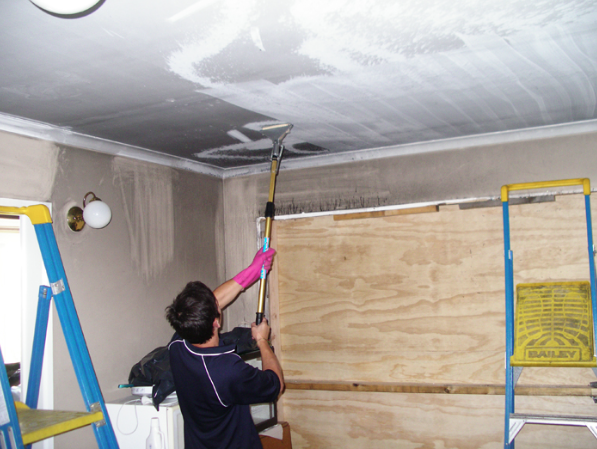
Toxic chemicals settle where cleanup hasn’t reached yet. Experts trained in fire aftermath handling what remains without cutting corners. A qualified Fire Damage Cleaner steps in to make things right again. Because they know how to handle hidden threats like ash and dampness. Their work clears out toxic particles that linger in walls and corners. Not only does this clean up the mess, but it prevents deeper harm over time. They tackle contamination that others may underestimate. Proper cleaning lowers risks tied to lingering pollutants. Restoration moves faster when specialists step in early. Safety improves room by room as invisible threats get removed.
What does a certified fire damage cleaner do?
From top to bottom, certified pros scan every corner of the space, spotting spots hit by damage. Where smoke lingers, they pull out advanced tools to clear grime, dampness, and stubborn smells.
Beneath surfaces, inspectors check for unseen harm within walls, above in ceilings, and below in floors.
How does soot affect indoor spaces?
Out of nowhere, soot slips into every corner through air ducts and wide-open rooms. Walls pick up grime first – then ceilings catch it too, followed by chairs, tables, and floors.
Left too long, acidic soot can eat into materials for good. When electronics meet that gunk, rust might start creeping in soon after.
Why is the smoke odour difficult to remove?
Inside walls and floors, smoke finds its way into soft layers like padding under rugs or cloth on furniture. A quick wipe down usually misses what’s buried far below where eyes can see.
Smoke odors fade faster when special machines do the work instead of regular home cleaners.
What equipment do certified cleaners use?
Professional restoration teams often use:
- Industrial air scrubbers
- HEPA vacuums
- Dehumidifiers
- Thermal foggers
- Moisture meters
- Ozone treatment systems
With these tools, cleaning hits closer to the mark while pulling pollutants from the air. Airborne particles stand less of a chance when precision gear gets put to work.
Why do homeowners choose certified fire damage cleaners?
A Fire Damage expert trained to clean after fires sticks to trusted steps meant to fix damage safely. Being certified often means they have learned how to clear soot, wash building surfaces, plus handle dirty areas properly.
A well-done fix lowers the chances of missed dirt, along with problems in the frame later on.
How do certified cleaners improve safety?
When dealing with dangerous leftovers, experts wear safety gear while sticking to strict cleanup steps. Unsafe spots in buildings get flagged by them on every checkup.
Starting clean means fewer germs linger when people return indoors. A slow wipe-down sets the stage for safer spaces later on. Each surface touched needs time; attention matters most here. Dust shifts quietly if handled right at first light.
Can fire damage affect electronics and appliances?
Precisely. These tiny black specks carry chemicals inside them – over months, they slowly eat away at circuitry. A steady decline follows, unseen but real.
Besides scrubbing yourself, hired cleaners might fix certain machines if rust hasn’t set in yet.
Why does experience matter during restoration?
Smoke changes things in strange ways, depending on what it touches. Restoration experts know these shifts happen differently across materials. Where one method works on glass, another must handle wood. Moisture complicates each surface in its own way. Soot clings unevenly, demanding specific responses. Cleaners adapt their approach based on what they see.
How does professional restoration support insurance claims?
Because paperwork matters, clear notes plus expert reviews keep claims moving. When water hits, crews often share dampness levels, loss summaries, and maybe proof of cleanup work, too.
What should homeowners avoid after a fire?
Homeowners should avoid:
- Touching soot-covered surfaces
- Using household vacuums on soot
- Delaying cleanup
- Ignoring moisture problems
- Attempting deep cleaning without protective equipment
Mistakes during cleanup can make the mess worse, pushing gunk into new spots. A wrong move might extend the affected area instead of containing it.
Due to thorough methods, the air inside becomes easier to breathe. They help gather proof needed by insurers, too. Protecting your building’s worth is part of their process. Spaces feel normal once more after their full recovery approach. Trust Capital Facility Services to bring back safety and balance.