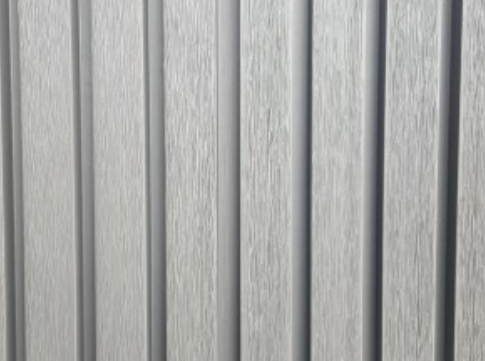
Outdoor Cladding Melbourne has become a popular choice for residential, commercial and industrial buildings for enhancing appearance, durability and energy efficiency. Even though they have numerous advantages and application ideas, several misconceptions have continued to influence people. Well, it’s time to uncover all the reality behind the misconceptions and help builders, architects and homeowners make better choices for their projects with outdoor cladding.
Is Outdoor Cladding Only About Improving Appearance?
The first and foremost misconception about outdoor cladding is that they are only used for decorative purposes. Even though outdoor cladding certainly enhances the visual appeal of the building, the latest innovations in outdoor cladding perform their role far beyond aesthetics. The outdoor cladding significantly contributes to insulation, reduces moisture penetration and helps to extend the lifespan of the building structure. The perfect combination of functionality and style becomes a valuable investment for outdoor cladding, rather than just a cosmetic upgrade.
Does Outdoor Cladding Require Constant Maintenance?
A wide range of people assume that outdoor cladding requires constant maintenance and demands frequent upkeep to improve its appearance and performance. On the other hand, the maintenance of the outdoor cladding basically depends on the type of material. The contemporary options like fibre, cement, composite panels and metal cladding are exclusively designed in order to resist fading, moisture damage and corrosion. When compared with traditional painted walls, some types of outdoor cladding may have reduced maintenance needs and offer long term support.
Is Outdoor Cladding Suitable Only for Modern Buildings?
Another common misconception about outdoor cladding is they are only perfect for contemporary architectural styles. However, Outdoor Cladding Panels come in a wide range of textures, colours and finishes in order to complement both traditional and modern building designs, right from classic architecture to sleek modern designs. So, based on the appropriate selection, you can match the desired aesthetic by delivering practical benefits.
Can Outdoor Cladding Withstand Harsh Weather Conditions?
Some building owners worry that outdoor cladding panels aren’t going to handle severe weather conditions and may deteriorate quickly. Due to the development of modern advancements, the outdoor cladding is specifically engineered in order to perform in challenging environments and withstand harsh weather conditions. In addition to this, the outdoor cladding panels may undergo numerous extensive tests for resistance, moisture, and UV exposure in order to have reliable durability for many years, even in demanding climates.
Is Outdoor Cladding an Expensive Investment With Limited Value?
The initial investment in outdoor cladding may sometimes lead people to believe that there is little return on investment. In reality, the Outdoor Cladding Panels provide long term value by eliminating the need for frequent upkeep expenses, improving energy efficiency and protecting the structural integrity of the building. In addition to this, the exterior finishes of building properties can increase property appeal and potentially enhance market value.
Does Cladding Cause Moisture Problems Inside Buildings?
Another common misconception about outdoor cladding panels is that they are able to trap moisture, resulting in the occurrence of mould growth on the building surface. As the modern cladding panels come with a ventilation option, in order to support moisture management. With the help of professional installation, the outdoor cladding panels may prevent moisture accumulation and support a healthier building envelope.
Are All Outdoor Cladding Materials the Same?
Whenever you are approaching Auzzie Turf, you can end up with a wide range of outdoor cladding panels that come with enhanced performance and durability. The unique characteristics, strengths and applications of the outdoor cladding panels vary for timber, cement, metal, stone and composite cladding. In addition to this, factors like climate, building type, maintenance preferences and budget should also be considered when you are selecting the outdoor cladding materials for your project requirements.